

News is cool, but what can we learn from history?
3 min read
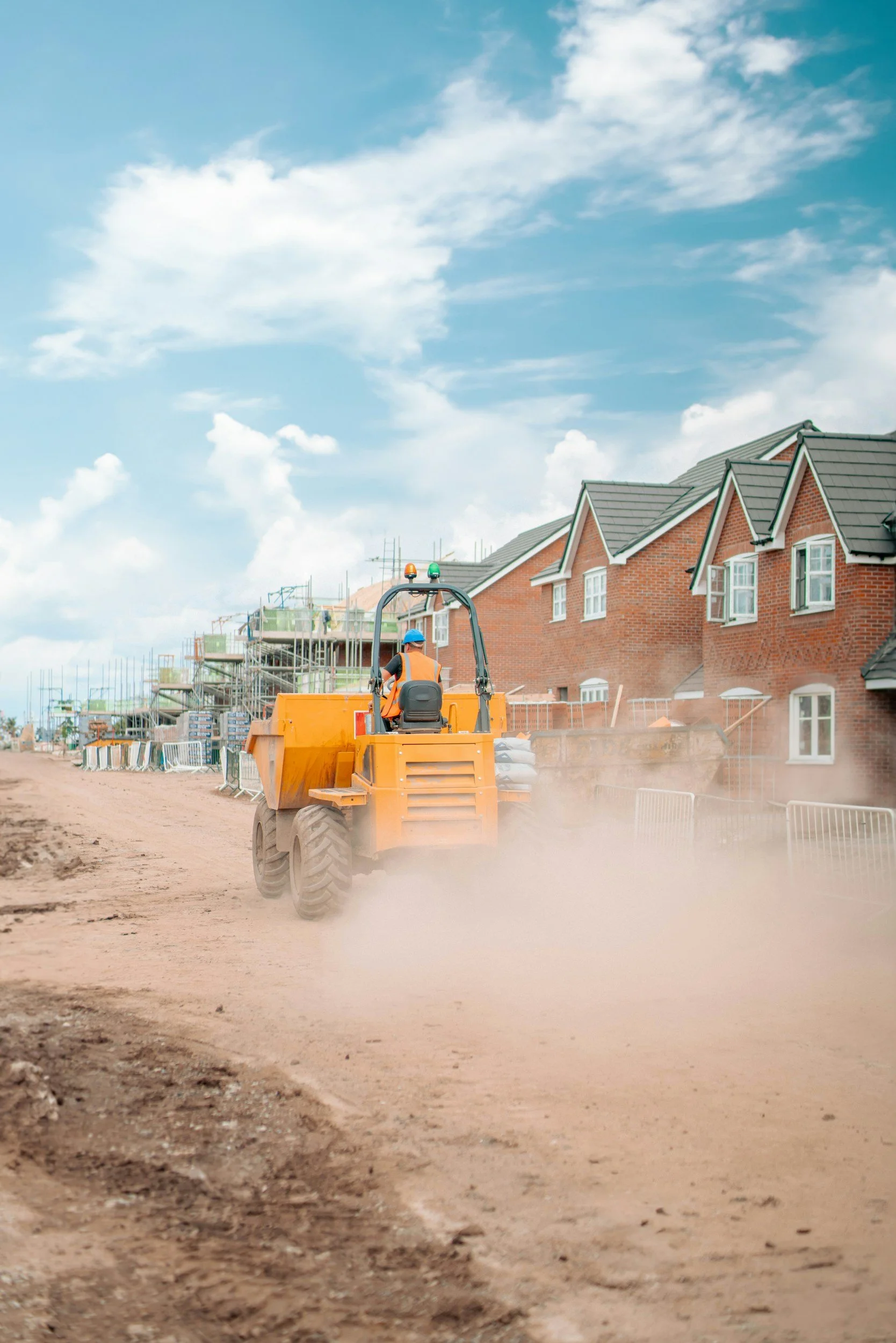
On May 7, 1947, Levitt and Sons announced a plan to build 2,000 mass-produced homes on former potato fields on Long Island. They were for returning veterans. And they were for rent.
Two days later, the New York Herald Tribune reported that half of them were already spoken for. Demand outran the plan so fast that the Levitts kept adding houses. On October 1, 1947, the first 300 families moved in. In the first few weeks, more than 8,000 families were turned away.
Think about the picture most of us have of the postwar suburb. A small house, a lawn, a family that owns all of it. The first chapter of the most famous suburb in America was a build-to-rent community.
Rent First, Then Own
The early houses were Cape Cods of about 750 square feet, with no basement. Renters paid roughly $60 a month and had an option to buy. When ownership opened up, most of them took it, and a GI Bill loan often made buying cheaper each month than renting. Within a few years, Levitt had shifted from renting houses to selling them.
Levittown also carries a hard part of its history. The standard lease the first residents signed included a clause that barred Black families. Who a community is built for has always been a design decision, and this one excluded people.
A New Label for an Old Idea
Today’s build-to-rent communities are planned the same way: dozens of new single-family homes in one neighborhood, built to rent from day one. The Urban Institute has noted the contrast with the typical single-family rental, which was built around 1979 and sits scattered among owner-occupied homes.
The segment grew after the Great Recession, as homeownership rates fell. It’s still small and sensitive to financing. The National Association of Home Builders estimates there were about 15,000 single-family built-for-rent starts in the fourth quarter of 2025, and it has tied recent slowdowns to higher financing costs and new apartment supply.
Designed to Age Well
Levittown’s houses were small and simple. That turned out to be a strength. Owners added dormers, rooms, and garages over the decades, and by the community’s 25th anniversary, resale prices depended largely on how much each house had been improved. The houses left room for the people who lived in them to change them.
BTR Lessons for Development Investors
Labels change faster than demand. People wanted a house with a yard in 1947, and many couldn’t buy one yet. Both are still true.
Design for the next owner too. Simple, adaptable homes gave Levittown a long second life.
Diversity is a strength. Not only is it illegal to state racial preferences or use demographic filters to exclude racial or ethnic groups, but diverse communities are proven to be healthier communities.
Watch the cost of money. NAHB ties the recent cooling in build-to-rent starts to financing costs.
Know your exit before you break ground. Levitt moved from renting to selling within a few years. Decide early whether you’re building to hold or to sell.
Atrium Management Company provides property management, commercial brokerage, and real estate development services. Learn more here.
Atrium Wordle #042
If you haven’t Wordled yet, maybe you should. Can you guess in less than five tries? Share your results with #atriumwordle.
Sources:
Research History, “Levitt Houses”: https://researchhistory.org/?p=10130
Levittown, New York: https://en.wikipedia.org/wiki/Levittown,_New_York
Hofstra University, “The Levittown Boom Begins”: https://omeka.hofstra.edu/exhibits/show/levittown–the-birthplace-of-s/the-levittown-boom-begins
Levittown: https://en.wikipedia.org/wiki/Levittown
American Heritage, “1947: Fifty Years Ago”: https://www.americanheritage.com/1947-fifty-years-ago-3?page=show
Patch, on Lynne Matarrese’s “The History of Levittown”: https://patch.com/new-york/levittown-ny/levittown-the-beginning-of-a-community-built-on-potato-fields
“Levittown at 25” (Newsday reprint): https://itkowitz.com/?p=5007
Levitt and Sons (Clause 25): https://en.wikipedia.org/wiki/Levitt_%26_Sons
Builder magazine, on Urban Institute research: https://bdmag.com/?p=82681
NAHB Eye on Housing, Q4 2025 built-for-rent: https://eyeonhousing.org/2026/03/weaker-conditions-for-single-family-built-for-rent-housing/
People in more racially diverse neighborhoods are more prosocial: https://pubmed.ncbi.nlm.nih.gov/29620398/