

What a 1926 Hurricane Says About Your Next Deal
News is cool, but what can we learn from history?
2 min read
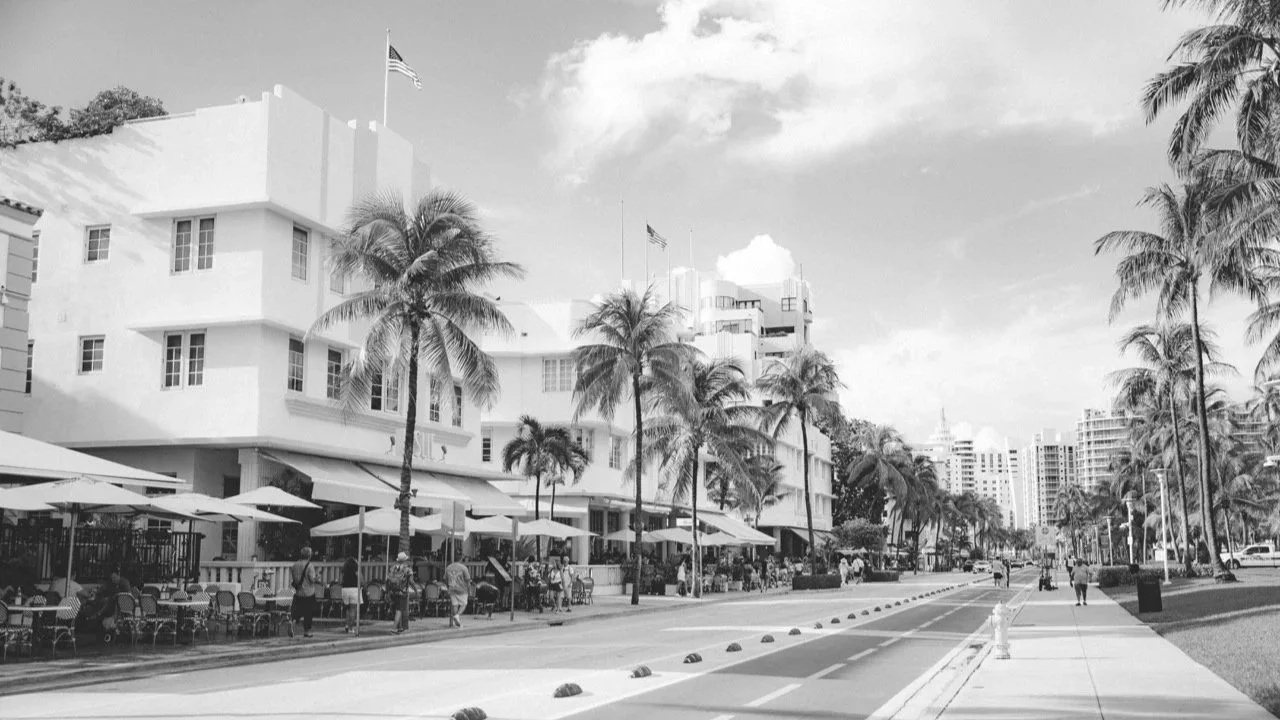
In 1920, Miami had about 30,000 residents. A few years later, investors from across the country were buying Florida land, often without seeing it. Many were known as binder boys: they put roughly 10% down as a deposit, called the binder, then sold the contract at a markup, sometimes within hours. The profit came from the paper, not from anything built on the land.
The boom ran from about 1924 to 1926. Early in 1926, new buyers stopped arriving and prices stopped climbing. The model depended on the next buyer, so it stalled when the next buyer didn’t come. According to historian Christopher Knowlton’s Bubble in the Sun, major developers, bankers, and local officials treated the slowdown as temporary.
Then, in September 1926, a hurricane hit Miami in the middle of the night with little warning and little preparation. Knowlton describes it as the costliest US catastrophe since the 1906 San Francisco earthquake and fire. A smaller storm in 1928 finished the job. By mid-1927, Miami’s newspapers were full of tax delinquency notices, and one Florida historian notes an estimate that around 90% of the people who invested in the boom lost money.
Lasting Impact
Miami, Miami Beach, and Palm Beach rebounded over the following decades and grew into major cities, and a second, more sustained Florida boom followed World War II. The land and the demand underneath it were real. The paper built on top of them was not.
There are a couple lessons to be learned here, specifically for owners and investors in real estate:
Stress-test the exit. A deal that only works if another buyer shows up on schedule has the same flaw the binder model had.
Weigh income and demand over momentum. Tenants paying rent for space they need hold up better than prices that depend on enthusiasm.
Treat weather as a constant in Florida. Insurance, building condition, and storm preparation belong in the underwriting, not in an afterthought.
Ask how long your advisors have been at this. A broker or manager who worked through earlier downturns can tell you how leases, vacancy, and values actually behaved.
Plan for the long recovery. The cities came back over decades, so a deal that only works if the market never pauses isn’t built for Florida.
Markets forget quickly. Local professionals who’ve watched a few cycles tend to remember what the last one looked like, and that memory is useful when everyone else is excited. It’s the long view we aim to bring to commercial work in Central Florida and every market Atrium occupies.
Atrium Management Company provides property management, commercial brokerage, and real estate development services. Learn more here.
Atrium Wordle #039
If you haven’t Wordled yet, maybe you should. Can you guess in less than five tries? Share your results with #atriumwordle.
Sources:
Wikipedia, “1920s Florida land boom”: https://en.wikipedia.org/wiki/1920s_Florida_land_boom
Space Coast Living, review of Bubble in the Sun: https://spacecoastliving.com/bubble-in-the-sun/
Palm Beach Post via AOL, “The role of the ‘Binder Boys’ in the land boom of the 1920s”: https://www.aol.com/news/florida-history-role-binder-boys-114638258.html
Tallahassee Historical Society, Bob Holladay on Florida’s boom and bank crash: https://tallahasseehistoricalsociety.org/2020/04/09/hot-off-the-presses-floridas-long-history-of-easy-money/