

What a 1950s Shopping Center Lease Got Right
News is cool, but what can we learn from history?
2 min read
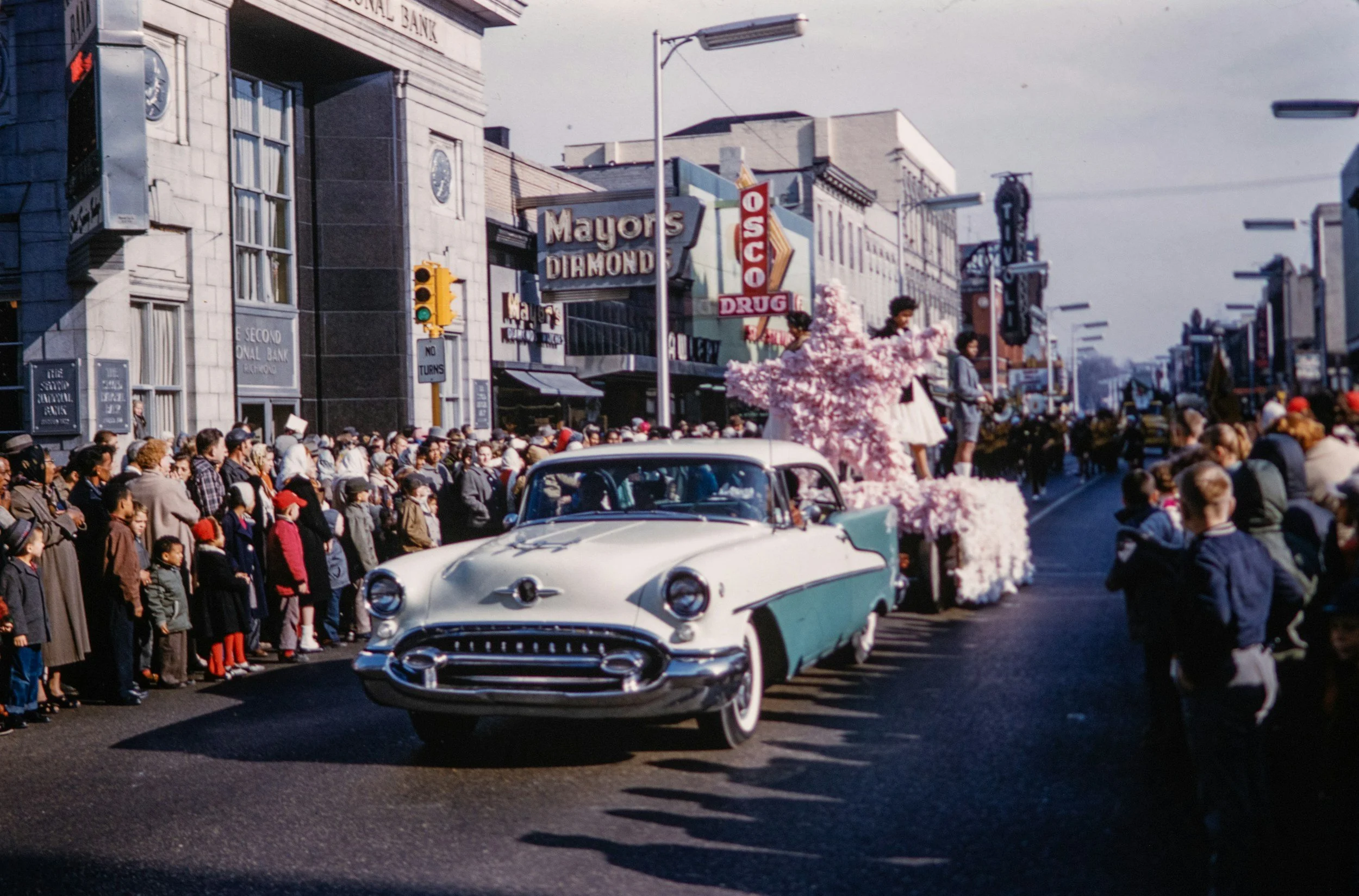
By the 1950s, shopping center leases commonly included a percentage rent clause. The landlord collected a base rent plus a cut of the tenant's sales. If the store had a great year, the landlord's income went up along with it. If the store struggled, the landlord felt that, too.
That structure did something simple but important. It made landlord success and tenant success the same math problem. A landlord who wanted a bigger check had a direct financial reason to want the tenant's business to do well, not just to pay rent on time.
The 2026 numbers say the logic still holds
Most commercial leases today aren't structured on percentage rent, but the underlying relationship between tenant success and landlord return hasn't disappeared. It just shows up in different numbers now.
A single-point increase in tenant satisfaction raises the likelihood of renewal by 8.5%. High-satisfaction properties command tighter cap rates, somewhere in the range of 25 to 50 basis points, because buyers pay more for predictable cash flow and fewer turnover costs. That's real, measurable value showing up at the valuation stage. Certainly nothing to sneeze at.
Where satisfaction actually comes from
Maintenance is the biggest lever by far. Get this: a 2024 survey by LendingTree reported 68% of tenants cite poor maintenance as their primary complaint about a landlord, more than any other factor, including rent itself. Communication runs a close second with 53% of tenants reporting communication issues as a major complaint. The fix for both is less about technology and more about consistency and respect. The tenant who gets a heads-up before a fire alarm test or a renovation feels respected and valued, while the one who finds out after the fact feels like an afterthought.
Why this still matters for how a property gets valued
A percentage lease made the connection between tenant and landlord success explicit and contractual. Today's leases mostly don't, but the connection is just as real, it's measured in renewal rates and cap rates instead of a percentage clause. A property with satisfied, long-term tenants isn't just easier to manage. It's worth more, because a buyer is purchasing predictable income, not just square footage.
The 1950s got the incentive structure right. The 2026 data just gives it a number.
Atrium Management Company provides property management, commercial brokerage, and real estate development services. Learn more here.
Atrium Wordle #034
If you haven’t Wordled yet, maybe you should. Can you guess in less than five tries? Share your results with #atriumwordle.