Why On-Site Teams Have Always Been the Backbone of Multifamily Housing
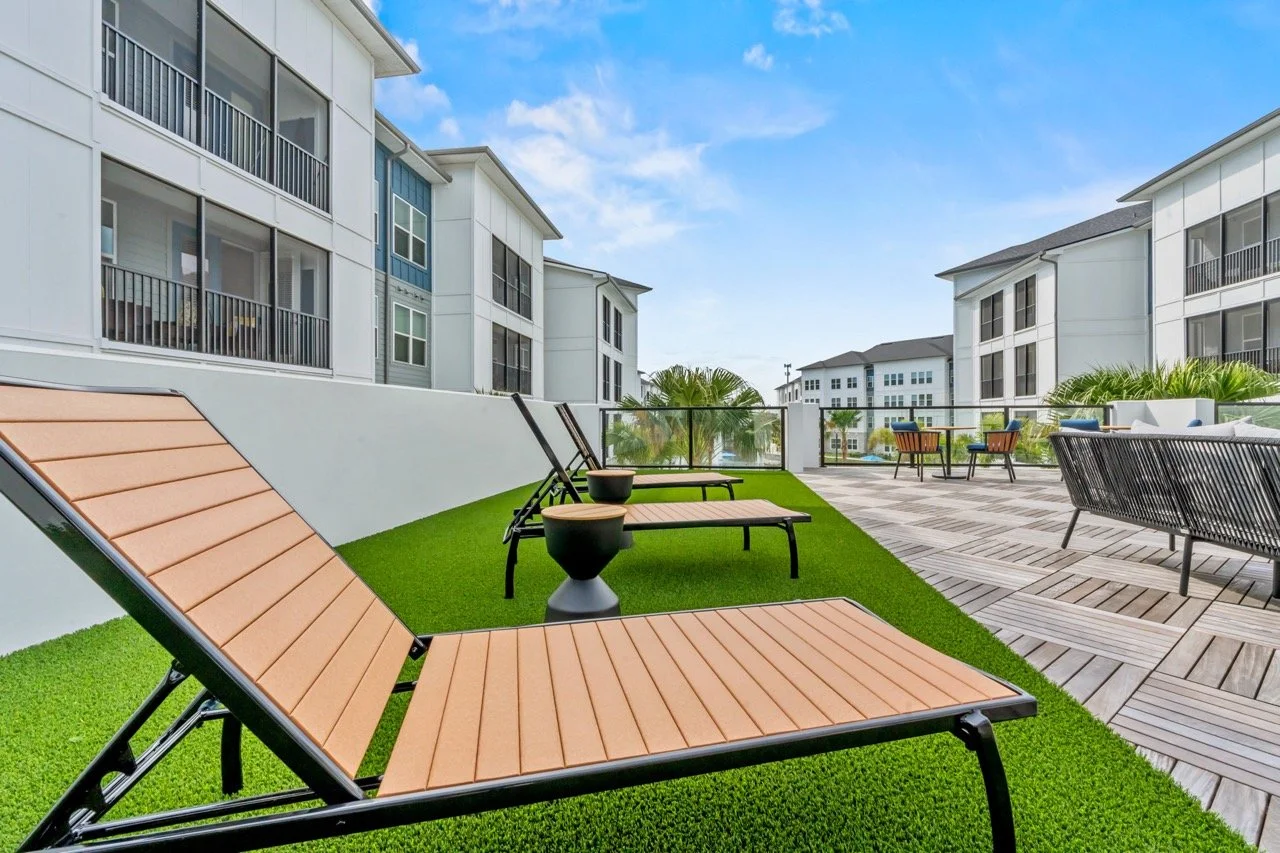
Aston Square Apartments in Kissimmee, FL
From the very beginning, multifamily housing has depended on people.
Before dashboards, before resident portals, before automated workflows and smart home tech, apartment communities worked — or didn’t — based on the strength of the people on the ground. Leasing, maintenance, communication, problem-solving — none of it happened automatically. Someone had to answer the phone. Someone had to walk the unit. Someone had to fix the leak before it became a flood.
On-site teams weren’t just part of the operation. They were the operation.
That hasn’t changed as much as we sometimes pretend it has.
As apartment buildings grew in size and complexity, staffing models evolved. Job titles became more specialized. Technology stepped in to streamline tasks. Portfolios scaled. But one lesson has stayed remarkably consistent across decades of multifamily history: when on-site teams are stretched too thin, service suffers. And when service suffers, everything else follows.
Residents feel it first. Maintenance requests linger. Communication gets spotty. Frustrations build quietly before they ever show up in reviews or renewal decisions. Owners feel it next — through higher turnover, more frequent repairs, and slower lease-up velocity. What looks like a “market problem” on paper often turns out to be an operational one.
On the flip side, when teams are supported, communities stabilize.
That support can take different forms: realistic staffing ratios, strong training, clear processes, reliable vendor relationships, and leadership that understands what the day-to-day actually looks like on site. When those pieces are in place, something important happens. Small issues stay small. Residents feel seen. Teams feel empowered to act instead of constantly reacting.
Retention improves — not because someone ran a clever incentive, but because the living experience is simply smoother.
This is where it’s worth pausing on technology for a moment. There’s no question that modern property management tools have made multifamily operations more efficient. Work orders are easier to track. Communication is faster. Data is clearer. These are all good things.
But technology doesn’t replace presence.
It doesn’t notice a resident who seems frustrated but hasn’t submitted a ticket yet. It doesn’t recognize when a recurring maintenance issue signals a deeper problem. It doesn’t make judgment calls in real time when priorities collide. And it doesn’t build trust on its own.
Those things still belong to people.
The best-run multifamily communities understand this balance. They use technology to support their teams, not to substitute for them. Systems exist to make good people more effective, not to compensate for a lack of staffing or experience.
There’s also a cultural dimension here that’s easy to overlook. On-site teams set the tone of a community, whether intentionally or not. They’re the human face of ownership. Residents may never meet the asset manager or the investor, but they know the leasing agent. They recognize the maintenance tech. They form opinions — positive or negative — based on those daily interactions.
When teams are overwhelmed, even the best people struggle to show up as their best selves. When they’re supported, professionalism and care become the norm rather than the exception.
This is why staffing decisions shouldn’t be viewed purely as a cost line. Historically, treating on-site teams as overhead has always been a short-term move with long-term consequences. Communities don’t unravel all at once. They fray slowly — through missed details, delayed responses, and preventable frustration.
Multifamily housing has always been a people business. The buildings matter. The locations matter. The financial structures matter. But none of it works well without capable, supported teams connecting residents and ownership every day.
At Atrium, this understanding shapes how we approach multifamily management. We believe strong communities are built from the inside out. That means investing in people, designing realistic workloads, and creating systems that help teams succeed instead of burn out.
It’s not flashy. It doesn’t always show up in marketing materials. But it’s the difference between a property that simply operates and one that actually works.
And if history is any guide, that difference will always matter.
Atrium Wordle #002
Did you know Wordle is good for your brain? Scientists say it improves cognitive function, boosts memory and focus, and enhances problem-solving. We say it’s fun. Check out this week’s Atrium Wordle, and share your results on social using #atriumwordle.