Why Unit Turns Became One of Multifamily’s Most Important Disciplines
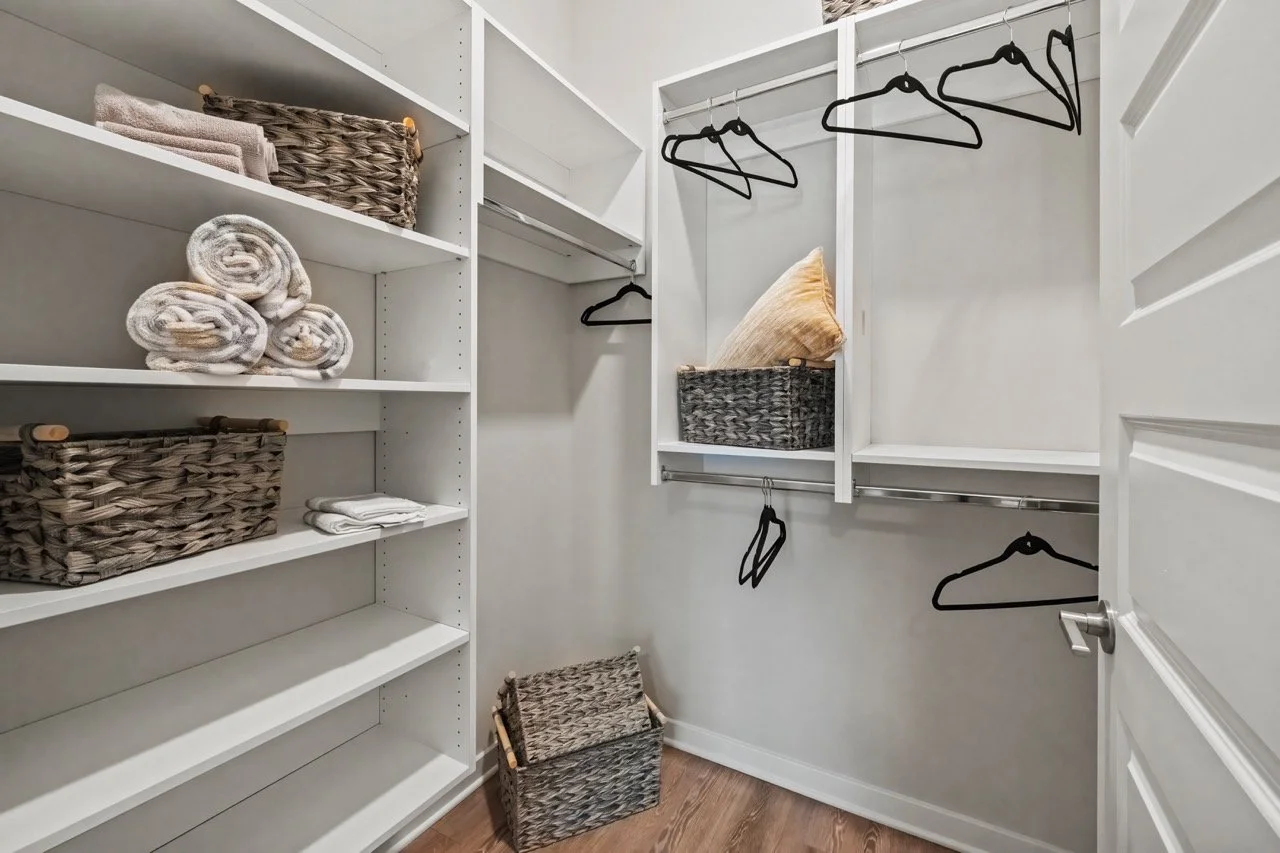
In multifamily housing, a lot of attention goes to the visible things: leasing velocity, amenities, rent growth, design. But some of the most important work happens quietly, between residents.
That moment when one resident moves out and another moves in — the unit turn — is one of the most operationally sensitive periods in an apartment community. Revenue, maintenance, and resident experience all intersect in a matter of days.
And the industry didn’t always handle it well.
Early multifamily operators learned a few hard lessons the expensive way. Vacancy was costly, so speed became the obvious priority. The faster a unit could be cleaned, repaired, and leased again, the sooner rent started flowing. On paper, that logic made perfect sense.
But speed without structure created a different set of problems.
Rushed repairs led to repeat maintenance requests. Cosmetic fixes covered deeper issues that surfaced later. New residents walked into apartments that technically looked ready—but didn’t quite feel right. Small oversights compounded into frustration, callbacks, and additional costs.
Operators began to realize that a sloppy turn wasn’t just a maintenance problem. It was a reputation problem.
At the same time, swinging too far in the other direction created its own challenges. Some operators tried to perfect every unit before leasing it again, extending vacancy while crews worked through long punch lists. Quality improved—but the financial drag from extended downtime quickly became clear.
The industry needed balance.
Over time, multifamily operators began refining the turn process into something more disciplined and repeatable. Standardized checklists replaced guesswork. Maintenance teams and vendors developed defined scopes of work. Scheduling systems improved coordination between inspections, repairs, cleaning, and leasing.
The goal wasn’t perfection. The goal was predictability.
A well-run turn process means every unit moves through the same sequence: inspection, scope definition, repair, quality check, and readiness confirmation. When those steps happen consistently, the property avoids the two biggest enemies of multifamily operations — surprises and delays.
And that consistency pays off in more ways than many people realize.
First, it protects revenue. Vacancy days are among the most measurable costs in multifamily housing. Even small improvements in turn speed can translate into meaningful financial gains across a portfolio.
But just as importantly, good turn management protects the asset itself.
Units that receive consistent attention between residents age better. Preventive repairs happen before issues compound. Appliances, plumbing, flooring, and finishes last longer when they’re maintained intentionally instead of patched reactively.
In other words, the turn process becomes a built-in maintenance checkpoint for the entire building.
Then there’s the resident experience.
The first impression a new resident has of their apartment matters more than almost anything that happens later. When a unit is clean, well-prepared, and clearly cared for, it sets the tone for the entire relationship. Residents assume the community will maintain that same level of attention throughout their lease.
When the opposite happens — when a new resident discovers missed details or unresolved issues — the relationship begins with friction. Even small problems can undermine trust.
Unit turns, in that sense, are more than an operational task. They’re the opening chapter of a resident’s experience.
Technology has certainly improved this process over time. Work order platforms, inspection apps, and scheduling tools have made coordination faster and more transparent. Property managers can track progress, document conditions, and communicate with vendors far more easily than in the past.
But technology didn’t create the discipline behind good turns; experience did.
Multifamily operators learned that the real advantage wasn’t speed alone, and it wasn’t quality alone. It was a system that could deliver both, reliably and repeatedly.
That’s why strong properties treat turns as a core operational discipline rather than a scramble between leases.
Teams train around it. Vendors are selected for reliability. Processes are refined over time.
The difference may not be obvious from the outside. Residents don’t usually see the turn process in action, but they feel the results.
At Atrium, we approach unit turns with that same long-view mindset. The objective isn’t just to prepare a unit for the next lease—it’s to protect the property, support our on-site teams, and create a positive first experience for the next resident walking through the door.
It’s not glamorous work. It doesn’t make headlines.
But in multifamily housing, the quiet disciplines are often the ones that create the most value.
Unit turns are a perfect example.
Atrium Wordle #006
They say word games improve focus and cognitive flexibility. We say they’re just fun. Either way, this week’s real-estate-themed Wordle is live. Five guesses. One word. Let’s see how you do. Share your results with #atriumwordle.